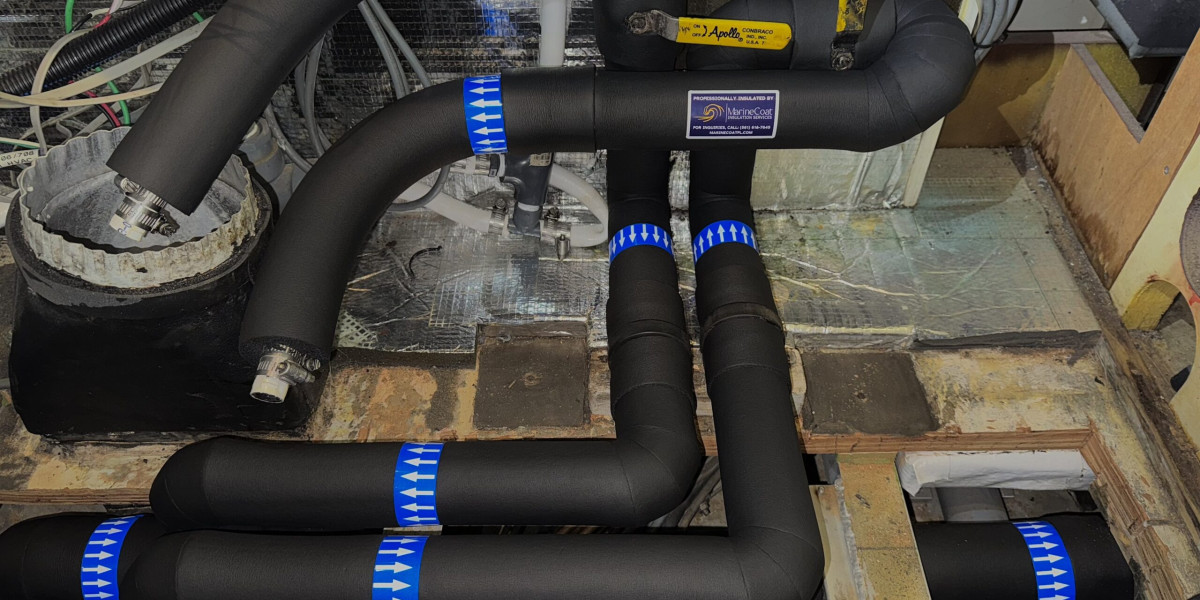

Offshore vessels operate in exceptionally demanding maritime environments where continuous engine vibration, propulsion systems, hydraulic machinery, and industrial equipment create persistent acoustic challenges. Marine Noise Insulation has become an indispensable engineering discipline for reducing unwanted sound transmission while enhancing crew wellbeing and operational efficiency. Modern Marine soundproofing technologies combine innovative composite materials, precision acoustic engineering, and vibration isolation systems to establish quieter working and living environments. Beyond regulatory compliance, these advanced insulation strategies improve onboard productivity, protect sensitive equipment, minimize fatigue, and contribute to the long-term sustainability of offshore operations.
Why Offshore Vessels Require Advanced Acoustic Protection
Ocean-going platforms, support vessels, drill ships, research vessels, and floating production facilities contain multiple machinery compartments operating around the clock. Diesel generators, compressors, pumps, ventilation assemblies, propulsion shafts, and processing equipment collectively generate substantial acoustic energy.
Unlike conventional commercial ships, offshore vessels frequently maintain stationary positions while heavy industrial operations continue uninterrupted. This operational profile creates continuous exposure to elevated sound levels throughout accommodation blocks, control centers, machinery rooms, and technical spaces.
Proper Marine Noise Insulation minimizes airborne sound transmission while simultaneously reducing structure-borne vibration that travels through steel bulkheads, decks, and supporting frameworks.
Primary Sources of Vessel Noise
Several mechanical and operational elements contribute to onboard acoustic pollution.
- Main propulsion engines
- Auxiliary generators
- Thrusters
- Hydraulic power units
- Air handling systems
- Compressor stations
- Cargo handling equipment
- Mechanical ventilation
- Piping vibration
- Structural resonance
Each source produces unique frequencies requiring specialized Marine soundproofing solutions rather than a universal insulation approach.
Modern Acoustic Engineering Materials
Today's insulation systems utilize engineered materials designed specifically for harsh marine environments. These materials withstand humidity, salt exposure, fluctuating temperatures, mechanical stress, and fire safety requirements without compromising acoustic performance.
Common insulation components include:
High-Density Barrier Layers
Mass-loaded barriers significantly reduce airborne sound transmission through bulkheads and compartment partitions by increasing surface density.
Acoustic Absorption Panels
Engineered mineral wool, melamine foam, and specialized fiberglass products absorb reflected sound energy, reducing reverberation within enclosed compartments.
Composite Sandwich Structures
Multi-layer constructions combine damping compounds, resilient spacers, and absorptive materials to create highly effective acoustic barriers with relatively low weight.
Elastomeric Isolation Components
Flexible mounting systems isolate machinery from structural frameworks, preventing vibration transfer throughout the vessel.
These technologies significantly improve Marine Noise Insulation performance across both low-frequency engine noise and higher-frequency mechanical sounds.
Machinery Space Noise Reduction Strategies
Engine rooms remain the dominant source of acoustic energy aboard offshore vessels. Effective noise management requires combining several complementary engineering methods.
Acoustic Enclosures
Custom-fabricated enclosures surrounding generators and compressors dramatically reduce emitted sound without restricting maintenance accessibility.
Floating Floor Systems
Floating deck constructions decouple machinery foundations from surrounding structures, limiting vibration propagation.
Flexible Pipe Connections
Resilient couplings prevent vibration traveling through piping networks that otherwise transmit noise into accommodation areas.
Precision Equipment Alignment
Proper shaft alignment reduces mechanical imbalance, decreasing unnecessary vibration and operational noise generation.
Integrated Marine soundproofing solutions often achieve substantially lower cabin sound levels even during peak operational conditions.
Accommodation Area Comfort Enhancement
Crew members spend extended periods aboard offshore vessels, making acoustic comfort essential for physical recovery and cognitive performance.
Sleeping quarters require significantly lower background sound levels than industrial workspaces. Engineers therefore implement layered insulation strategies throughout accommodation decks.
Typical improvements include:
- Insulated partition systems
- Acoustic ceiling assemblies
- Floating cabin floors
- Noise-resistant doors
- Sealed window systems
- Sound-absorbing wall finishes
- Quiet ventilation diffusers
Proper Marine Noise Insulation creates restorative living environments that support crew concentration, communication, and long-duration operational readiness.
Advanced Vibration Control Technologies
Noise frequently originates from vibration before becoming airborne sound. Consequently, vibration mitigation represents one of the most effective engineering investments.
Tuned Isolation Mounts
Sophisticated resilient mounts absorb machinery movement before structural resonance develops.
Damping Treatments
Viscoelastic damping compounds convert vibrational energy into minimal thermal energy, reducing resonance throughout steel structures.
Dynamic Balancing
Precision balancing of rotating equipment minimizes mechanical oscillation and extends equipment lifespan.
Structural Decoupling
Separating critical components prevents unwanted vibration pathways between machinery spaces and occupied compartments.
When combined with Marine soundproofing, these techniques create comprehensive acoustic management systems.
Fire Safety and Regulatory Considerations
Marine insulation products must satisfy strict international maritime standards. Acoustic performance alone cannot determine material selection.
Engineers evaluate:
- Fire resistance
- Smoke generation
- Toxicity limitations
- Moisture resistance
- Corrosion compatibility
- Mechanical durability
- Weight optimization
- Installation efficiency
Certified Marine Noise Insulation products simultaneously satisfy acoustic objectives and marine safety regulations without compromising vessel integrity.
Digital Acoustic Analysis
Modern offshore projects increasingly rely on computational simulation before construction begins.
Advanced software predicts:
Frequency Distribution
Engineers identify dominant noise frequencies requiring targeted treatment.
Sound Transmission Paths
Digital models reveal structural pathways responsible for unwanted acoustic propagation.
Reverberation Characteristics
Virtual analysis optimizes absorption placement before installation begins.
Material Performance Evaluation
Simulation compares numerous insulation combinations to determine the most effective solution.
These predictive methodologies enable optimized Marine soundproofing designs while reducing retrofit expenses.
Sustainable Acoustic Materials
Environmental responsibility increasingly influences insulation selection.
Emerging products incorporate:
- Recycled mineral fibers
- Bio-based composite materials
- Low-emission binders
- Lightweight recyclable panels
- Environmentally responsible adhesives
These innovations maintain exceptional acoustic performance while supporting broader sustainability objectives across offshore industries.
Installation Best Practices
Even premium insulation materials cannot achieve maximum performance without professional installation.
Critical installation principles include:
Eliminating Acoustic Bridges
Direct structural contact between isolated surfaces should be avoided wherever possible.
Continuous Barrier Integrity
Small openings around penetrations significantly reduce insulation effectiveness.
Proper Joint Sealing
Acoustic sealants prevent airborne leakage through expansion gaps.
Equipment Accessibility
Maintenance requirements must remain practical despite extensive insulation systems.
Attention to installation quality ensures Marine Noise Insulation performs according to engineering specifications throughout the vessel's operational lifecycle.
Long-Term Maintenance Requirements
Acoustic systems require periodic evaluation to preserve effectiveness.
Maintenance programs commonly include:
- Fastener inspection
- Seal replacement
- Moisture assessment
- Surface damage repair
- Isolation mount evaluation
- Vibration measurements
- Acoustic performance verification
Preventive maintenance extends insulation service life while preserving onboard comfort and equipment protection.
Future Innovations in Offshore Acoustic Engineering
The marine sector continues adopting increasingly sophisticated technologies for noise reduction.
Emerging developments include smart acoustic materials capable of adapting to changing frequencies, nano-engineered composite barriers with improved absorption efficiency, predictive monitoring sensors, digital vibration diagnostics, and lightweight multifunctional insulation systems integrating thermal, fire, and acoustic protection.
Artificial intelligence is also supporting real-time monitoring of machinery acoustics, enabling maintenance teams to identify abnormal vibration patterns before equipment degradation becomes critical. This predictive capability enhances reliability while reducing maintenance costs and operational interruptions.
As offshore infrastructure expands into deeper waters and increasingly complex energy projects, advanced Marine soundproofing solutions will remain essential for improving operational resilience, protecting personnel, extending equipment longevity, and maintaining regulatory compliance. Investing in high-performance Marine Noise Insulation ultimately strengthens vessel efficiency, crew welfare, and long-term maritime sustainability.