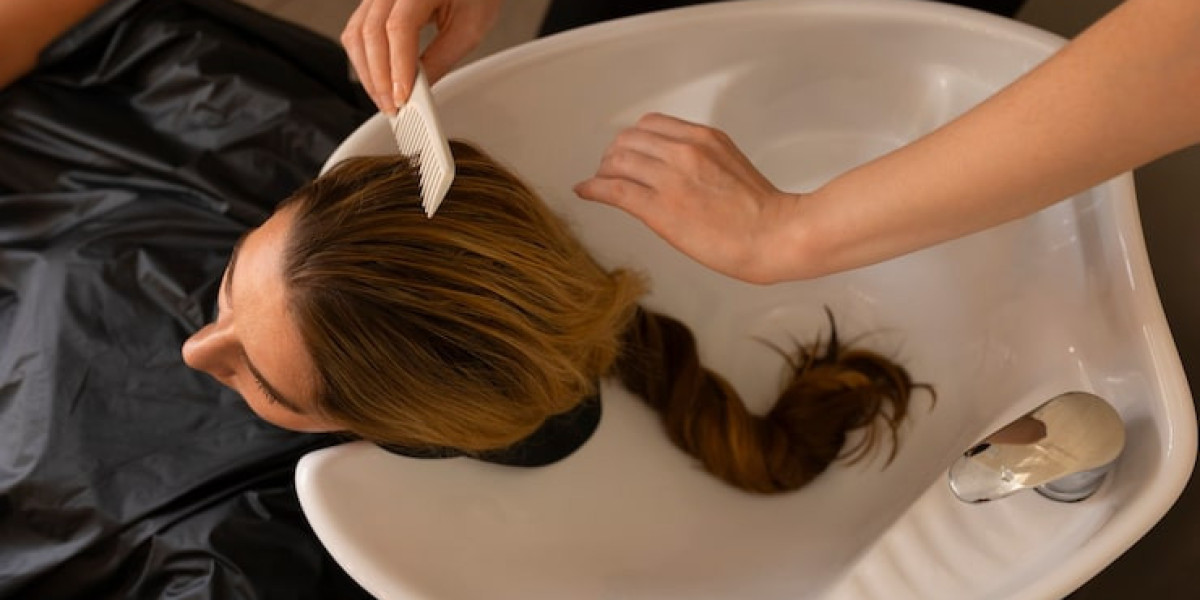

Hair thinning often begins gradually, making it easy to overlook until visible scalp exposure or reduced volume becomes noticeable. Many individuals now explore hair roots treatment as an advanced approach to preserve follicle vitality before permanent loss occurs. Unlike temporary cosmetic fixes, hair roots treatment focuses on strengthening the biological foundation beneath the scalp, encouraging healthier follicular activity. Whether someone is researching innovative procedures or searching for hair restoration Columbia SC, understanding how root-focused therapies function can help determine whether they offer a realistic pathway toward fuller, healthier-looking hair.
Understanding Why Hair Thinning Happens
Hair thinning is a multifactorial condition rather than a single disorder. Genetics remain a dominant contributor, yet hormonal fluctuations, nutritional deficiencies, chronic stress, autoimmune conditions, environmental exposure, and aging can all influence follicular performance.
Every strand emerges from a living follicle that continuously cycles through growth, transition, and resting phases. When these cycles become disrupted, follicles produce progressively finer strands until visible density decreases. Rather than addressing only surface symptoms, modern therapies increasingly focus on revitalizing follicular structures beneath the scalp.
Individuals experiencing early thinning often achieve better outcomes because dormant follicles usually retain greater regenerative capacity before extensive miniaturization occurs.
What Is Hair Roots Treatment?
Hair roots treatment refers to specialized therapies designed to improve the condition of hair follicles instead of simply masking thinning. These approaches aim to optimize scalp circulation, cellular nourishment, and follicular function while supporting healthier hair production.
Depending on individual needs, treatment plans may include:
Platelet-Rich Plasma (PRP)
PRP utilizes concentrated platelets from a patient's own blood. Growth factors released from these platelets may stimulate inactive follicles and improve scalp healing.
Growth Factor Therapy
Purified biological proteins are introduced into targeted scalp regions to encourage cellular renewal and follicle activity.
Microneedling Techniques
Controlled micro-injuries activate the body's natural repair mechanisms while enhancing absorption of regenerative solutions.
Stem Cell-Based Approaches
Emerging regenerative medicine explores stem-cell technologies that may encourage follicular rejuvenation in carefully selected candidates.
Each strategy operates differently, yet the primary objective remains strengthening follicular performance at its biological source.
How Hair Roots Treatment Supports Follicle Health
Healthy follicles require oxygen, nutrients, and effective cellular communication. Several biological mechanisms explain why hair roots treatment has attracted growing attention among hair specialists.
Improved Blood Supply
Enhanced circulation delivers essential nutrients directly to follicular tissues. Better vascular support may prolong the active growth phase while reducing premature shedding.
Cellular Regeneration
Growth factors encourage damaged follicular cells to repair themselves more efficiently, supporting stronger strand production over time.
Reduced Follicle Miniaturization
Certain therapies may slow the gradual shrinking of follicles commonly associated with hereditary hair loss.
Stronger Hair Shaft Formation
Healthier follicles often generate thicker, more resilient strands with improved structural integrity.
Although individual responses vary, these combined mechanisms create an environment more favorable for sustained hair growth.
Can Hair Roots Treatment Actually Stop Hair Thinning?
The answer depends largely on the underlying cause of thinning.
When follicles remain alive but weakened, hair roots treatment can often slow progression while stimulating healthier growth. Early intervention generally provides the highest probability of preserving existing density.
However, completely inactive follicles that have remained dormant for many years may respond less predictably. In such situations, restorative procedures may need to be combined with surgical or medical interventions.
Clinical specialists typically perform scalp evaluations, microscopic follicle analysis, and medical assessments before recommending an individualized treatment strategy.
Rather than promising permanent reversal, realistic expectations focus on slowing progression, strengthening existing hair, and improving overall density.
Who May Benefit Most?
Several groups frequently experience encouraging outcomes.
Individuals With Early Hair Thinning
Follicles still producing fine hair often retain regenerative potential.
Postpartum Hair Changes
Women recovering from pregnancy-related shedding may benefit once hormonal balance stabilizes.
Stress-Induced Hair Loss
After eliminating underlying stressors, regenerative therapies may encourage faster recovery.
Age-Related Density Reduction
Gradual thinning associated with aging sometimes improves through follicle-focused stimulation.
Mild Pattern Hair Loss
Men and women experiencing hereditary thinning in its earlier stages often represent suitable candidates.
Professional consultation remains essential because underlying medical conditions require appropriate diagnosis before treatment begins.
Benefits Beyond Hair Growth
While thicker hair remains the primary objective, additional advantages frequently accompany regenerative scalp therapies.
Better Scalp Health
Improved circulation may reduce dryness while supporting healthier skin conditions.
Enhanced Hair Quality
Many patients report stronger texture, greater shine, and reduced breakage.
Increased Confidence
Visible improvement in hair density often contributes positively to emotional well-being and self-image.
Minimally Invasive Procedures
Most regenerative techniques require little downtime compared with surgical restoration methods.
These complementary improvements contribute to higher patient satisfaction beyond simple hair count measurements.
Factors That Influence Treatment Success
Several variables determine overall effectiveness.
Treatment Timing
Earlier intervention generally preserves more functioning follicles.
Lifestyle Habits
Balanced nutrition, regular sleep, hydration, and stress management directly influence follicular performance.
Medical Conditions
Hormonal disorders, thyroid disease, anemia, and autoimmune illnesses should be addressed simultaneously.
Consistency
Multiple sessions followed by maintenance appointments usually produce better long-term outcomes than isolated treatments.
Professional Expertise
Experienced practitioners develop customized protocols rather than relying on standardized treatment schedules.
Each factor contributes significantly to the overall success of follicular regeneration.
Combining Hair Roots Treatment With Other Solutions
Many specialists recommend comprehensive treatment plans instead of relying upon a single intervention.
Possible combinations include:
- Prescription medications when medically appropriate
- Nutritional optimization
- Laser scalp therapy
- Customized scalp care products
- Lifestyle modifications
- Hair transplantation for advanced cases
Patients researching hair restoration Columbia SC often discover that multidisciplinary approaches produce more predictable long-term improvements than isolated therapies alone.
Common Misconceptions
Several myths continue circulating regarding regenerative scalp therapies.
Myth: Results Appear Immediately
Hair grows gradually. Most individuals require several months before noticeable improvements become visible.
Myth: One Session Is Enough
Follicular regeneration typically requires multiple appointments followed by maintenance care.
Myth: Everyone Experiences Identical Results
Genetics, age, health status, and treatment timing significantly influence outcomes.
Myth: Hair Roots Treatment Creates New Follicles
Current therapies primarily improve the performance of existing follicles rather than generating entirely new ones.
Understanding these realities helps establish realistic expectations before beginning therapy.
Choosing the Right Hair Specialist
Selecting a qualified provider remains one of the most important decisions throughout the treatment journey.
Look for clinics that provide:
- Comprehensive scalp evaluations
- Evidence-based treatment protocols
- Personalized recommendations
- Transparent expectations
- Before-and-after documentation
- Ongoing maintenance planning
Individuals considering hair restoration Columbia SC should prioritize experienced professionals who emphasize accurate diagnosis before recommending any regenerative procedure.
Final Thoughts
Hair thinning rarely develops overnight, and meaningful improvement rarely happens instantly. Modern hair roots treatment offers a scientifically focused approach aimed at strengthening follicles, slowing progressive thinning, and encouraging healthier hair production. While results depend upon individual biology, treatment timing, and professional guidance, many patients experience measurable improvements when intervention begins early. Anyone exploring hair restoration Columbia SC should seek a thorough evaluation to determine whether hair roots treatment aligns with their unique scalp condition and long-term hair restoration goals.