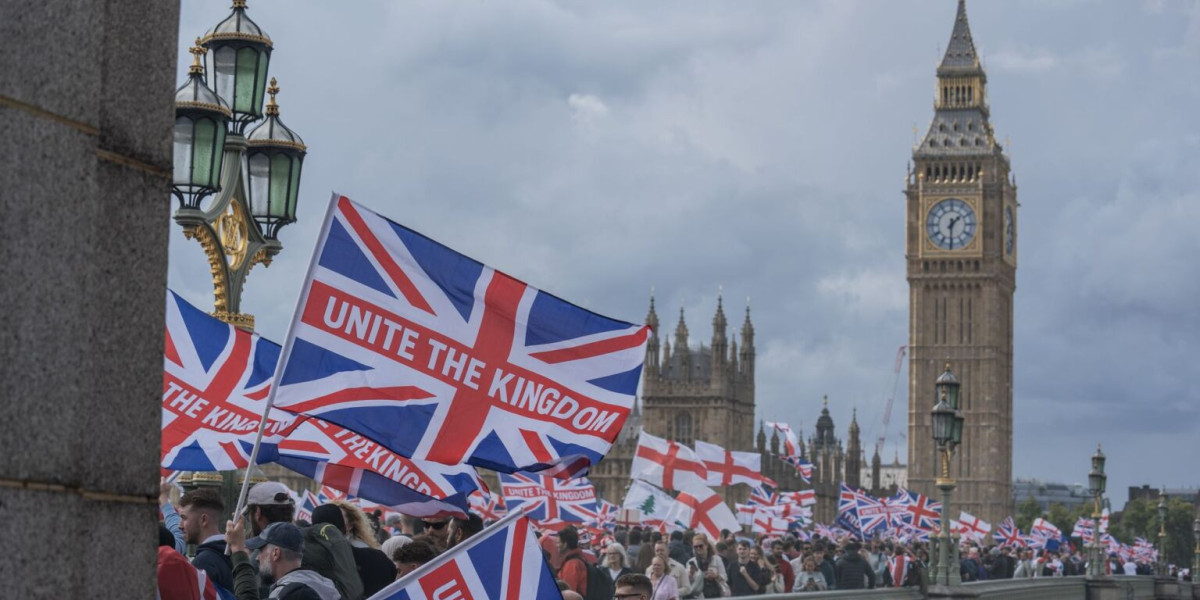
Across Europe, parts of North America, and select regions in Africa, a visible wave of Christian-led protests and social movements is gaining attention. Supporters describe it as a stand for Christian heritage and cultural identity. Critics see it as a fear-driven response to growing Muslim populations and migration trends. What is unfolding is not a religious war, but a loud and complicated social moment where history, faith, politics, and anxiety are clashing in public view.
The phrase “Islamification” has become common in political rallies and community meetings. It is used by groups who believe that rapid demographic change, immigration policies, and shifting social norms are weakening Christian traditions. From church-led marches in Poland to conservative gatherings in France, Germany, the United States, and even parts of Latin America, the message is similar: preserve Christian values before they disappear.
Why This Resistance Is Growing Now
Several factors are driving this surge of Christian assertiveness.
First, migration patterns have changed the religious makeup of many countries. Over the past two decades, Europe especially has seen an increase in Muslim populations due to refugees and economic migration. While diversity has enriched societies, it has also created fear among communities who feel unprepared for cultural change. Churches that once overflowed are now half-empty in some regions, while mosques are expanding in urban areas. This contrast has become a powerful symbol for those who believe Christianity is being sidelined.
Second, political movements are using religion as an identity tool. Right-leaning parties and nationalist leaders have increasingly aligned themselves with Christian symbolism. Crosses appear on campaign banners, biblical references dominate speeches, and traditional values are framed as being under threat. In these settings, “uprising” often does not mean violence but vocal opposition — protests, petitions, policy demands, and cultural campaigns.
Third, social policy debates have intensified the divide. Issues such as religious dress codes, halal food in public institutions, faith-based education, and freedom of speech laws have become flashpoints. Christian groups argue that neutrality is being replaced with silent acceptance of what they see as ideological imbalance.
Country-Wise Patterns of Resistance
In France, debates around secularism have reignited Christian activism. Protesters often cite the visibility of Islamic practices in public spaces as proof that the nation’s historic Christian identity is fading. While the French constitution promotes laïcité, or strict separation of religion and state, the emotional reaction from Christian groups speaks to a deeper cultural unease.
Germany has witnessed similar trends, especially in eastern regions where populist movements have strong followings. Church leaders here are split. Some support interfaith harmony, while others back firm declarations to “defend Christian roots.”
In the United States, the conversation takes a different tone. Evangelical groups frame the issue as a battle for moral and cultural dominance rather than demographic change alone. Their rhetoric blends concern over immigration with broader fears of secularism and declining religious influence.
Africa follows yet another path. In Nigeria and parts of East Africa, Christian resistance is directly linked to security concerns due to extremist violence. Here, the tension is grounded in lived reality, not just ideology.
Is This Truly an “Uprising”?
The word uprising carries weight, and in most cases, what is happening is not armed rebellion. It is a cultural assertion. Churches organizing rallies, pastors speaking openly about perceived threats, and social media movements declaring pride in Christian identity are the most visible forms. However, sporadic extremist actions by fringe groups do occur and are widely condemned by mainstream Christian leaders.
Faith-based organizations continue to stress peaceful coexistence. The louder voices calling for confrontation often come from political influencers rather than religious scholars.
This raises a critical question: Is faith being used as a shield for political fear?
The Role of Media and Online Narratives
Digital platforms have amplified the issue. Hashtags, viral videos, and opinion content have turned local protests into global discussions overnight. Simplified narratives gain traction, painting the situation as “us versus them.”
Balanced voices struggle to stay heard in this noise. Yet many Christian thinkers argue that genuine faith should not thrive on fear but on compassion and dialogue.
Impact on Social Harmony
The real cost of this rising tension is social unity. Communities that once coexisted peacefully are now drifting toward suspicion. Schools feel the strain, workplaces grow cautious, and neighborhoods become emotionally divided. Interfaith dialogue initiatives have increased, but they are often overshadowed by louder protest movements.
Governments find themselves walking a tightrope, trying to respect freedom of expression while preventing hate speech and unrest.
The Deeper Question of Identity
At its core, this movement is not only about Islam or Christianity. It is about identity in a rapidly changing world. People who feel disconnected from modern life often seek comfort in tradition. Faith becomes a symbol of stability, even when the real issue is economic insecurity or cultural displacement.
Many analysts argue that the “uprising” reflects a crisis of confidence more than a religious clash.
Where This Is Heading
If dialogue replaces division, this moment could become a turning point for mutual understanding. If political exploitation continues, the friction may deepen.
What remains clear is that the world is witnessing a powerful shift — not just in religion, but in how societies define belonging, heritage, and shared space.