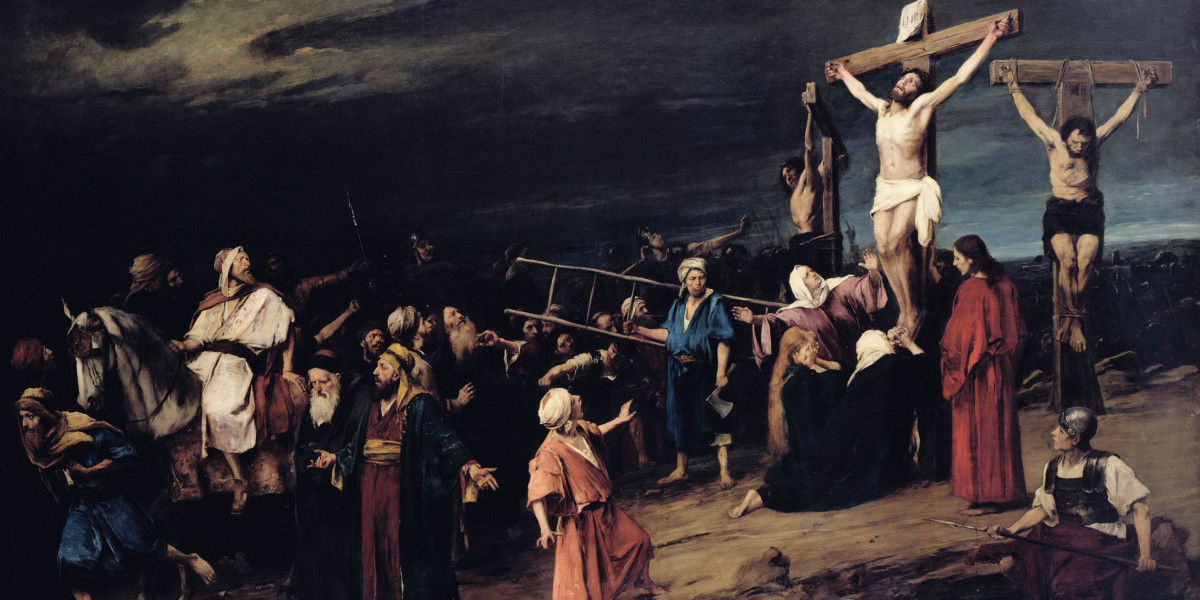
Christianity, despite being one of the world’s largest and oldest faith communities, often finds itself at the center of jokes, satire, selective outrage, and cultural mockery. From television sketches to social media memes, Christianity is frequently portrayed as an easy target. This recurring pattern is not a coincidence—it reflects deeper cultural anxieties, historical dynamics, and the fear certain groups and ideological circles hold toward the stability, influence, and resilience of Christian values.
In today’s world of fast communication and online amplification, any belief system can become a target. But Christianity stands out as the most consistently mocked religion for reasons that stretch across history, politics, culture, and power structures.
A Religion With Deep Cultural Influence
One of the primary reasons Christianity is mocked more frequently is its enormous cultural presence. For centuries, Christian values shaped social structures, education systems, art, governance, and community life across large parts of the world. When a belief system becomes deeply woven into society, it naturally becomes vulnerable to criticism—sometimes healthy, sometimes unfair.
Christian institutions have historically held authority, and modern culture often challenges authority as a form of rebellion. Mockery becomes an easy tool for expressing that pushback. The same pattern is visible in how people often mock political leaders, powerful companies, or public figures—visibility draws criticism.
Christians Are Expected to “Turn the Other Cheek”
Another reason Christianity becomes a frequent target is the perception that Christians, guided by teachings on forgiveness and patience, will respond peacefully. Many comedians and media creators acknowledge this openly—they expect that mocking Christianity will not lead to aggressive backlash or threats. In contrast, criticism of other faiths sometimes leads to global diplomatic incidents, intense protests, or violent reactions.
This creates a cultural imbalance:
Mocking Christianity is considered “safe,” while mocking other religions is often labeled too risky or sensitive.
This “permission” dynamic encourages further mockery, because there is no fear of retaliation or severe consequences. That very tolerance, ironically, becomes the reason Christianity is targeted more frequently.
Power Structures and Fear of Moral Influence
Critics, especially certain ideological groups, often fear Christianity not because of its rituals or traditions, but because of the moral structure it represents. Christian teachings emphasize responsibility, moral order, self-discipline, accountability, and the concept of absolute truth.
These ideas conflict with certain modern ideological movements that prefer fluid definitions of morality or reject traditional value systems entirely. To weaken those values, mockery becomes a strategic tool—if you make something look outdated or “laughable,” you reduce its authority.
Underneath the jokes lies a deeper fear:
Christianity provides millions with a moral foundation that is difficult to manipulate.
Institutions, cults, and extremist groups—religious or non-religious—often dislike systems that promote independent conscience, critical thinking, and moral courage. Christianity’s core teachings encourage individuals to question injustice, resist corruption, care for the vulnerable, and refuse blind loyalty to harmful ideologies. These qualities threaten any group seeking total control.
Christianity Promotes Individual Freedom—and That Frightens Cult-Like Groups
True Christianity rejects blind obedience to human leaders. The message of Jesus focuses on inner transformation, personal responsibility, and spiritual autonomy. No cult or authoritarian entity benefits from individuals who think independently.
What certain cults and extremist organizations fear most is:
1. The Power of a Unified Christian Community
A large, united community with shared values can challenge oppression, resist manipulation, and counter harmful ideas. Throughout history, Christian movements have stood against dictatorships, slavery, and injustices—something authoritarian groups do not want repeated.
2. The Message of Hope and Redemption
Destructive ideologies thrive on fear, despair, and emotional isolation. Christianity, on the other hand, offers hope, forgiveness, and renewal. Anything that strengthens the human spirit threatens systems built on psychological control.
3. The Long-Term Survival of the Faith
Despite persecution, cultural attacks, or mockery, Christianity continues to grow, adapt, and flourish across different regions of the world. This resilience frustrates groups that want to reduce its influence.
4. The Challenge to Moral Relativism
Modern cult-like ideologies often argue that truth is subjective. Christianity’s message of moral clarity—centered on love, justice, and accountability—stands as a direct challenge to systems that rely on moral confusion.
Mockery as a Tool to Undermine Confidence
Mockery is not always harmless humor. Sometimes it is used strategically to weaken confidence in long-standing values. When young people repeatedly see their faith portrayed as a joke, it can create doubt or confusion about its relevance.
Humor becomes a weapon—not simply for entertainment, but to shift culture away from the moral anchors that religions like Christianity provide.
Why Christianity Continues to Stand Strong
Despite being the most mocked religion in the modern era, Christianity remains one of the most influential forces on the planet. Its teachings on compassion, forgiveness, justice, and humility continue to shape laws, communities, and humanitarian efforts across the world.
Mockery may challenge the faith externally, but it has never been able to erase the internal strength of Christian communities. If anything, attempts to ridicule Christianity often lead to renewed conversations, deeper engagement, and a stronger commitment among believers.
The endurance of the faith—despite centuries of criticism—is exactly what many ideological groups fear. They cannot control it, cannot silence it, and cannot stop its growth.
Conclusion
Christianity is mocked more than any other religion not because it is weak, but because it is strong—culturally, morally, and historically. Its size, visibility, and core teachings make it a frequent target for satire, criticism, and selective outrage. Yet beneath the surface, the groups that attack it most aggressively often fear the independent thought, moral structure, and community strength that Christianity inspires.
In a world full of shifting values and ideological battles, Christianity’s enduring presence continues to challenge systems that rely on fear, division, or moral confusion. That resilience—not its vulnerability—is why it remains one of the most scrutinised and mocked religions today.